
The story
Origins and context
Tilla-Kari was commissioned by Yalangtush Bahadur and built from 1646 into the 1660s. It completed the present three-sided form of Registan while combining a madrasa with a major mosque.
Architecture and meaning
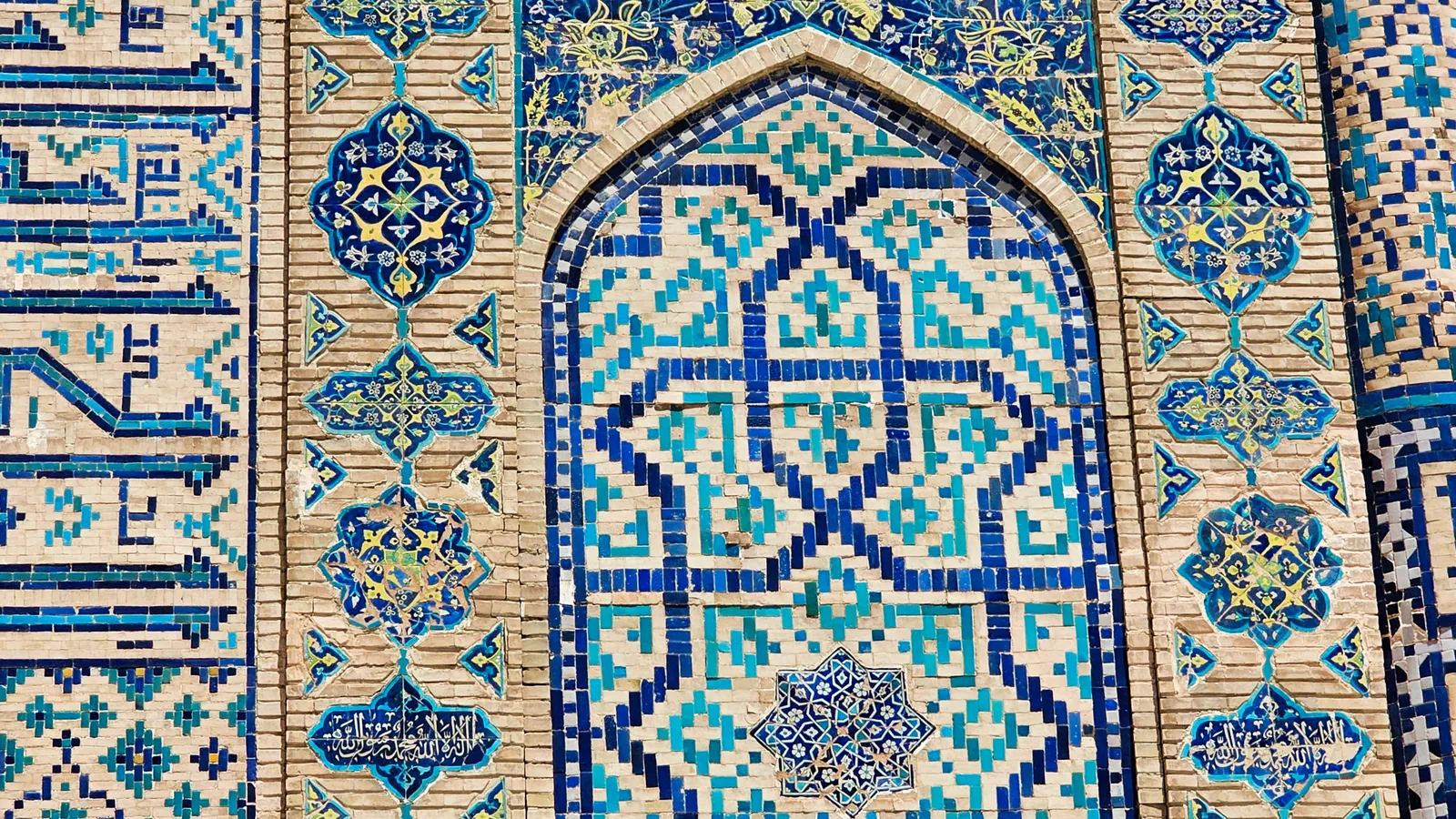
Its name means “covered with gold,” a reference to the lavish interior decoration of the prayer hall. Gilding, painted ornament and a visually domed ceiling create an effect very different from the tiled exterior.
Later history and interpretation
The building answered both educational and congregational needs after earlier Friday-mosque arrangements in the city had changed. Restoration has been extensive, so visitors should distinguish the historical plan from renewed decorative surfaces.
Why it matters
Visit Tilla-Kari Madrasa to understand a distinct layer of Samarkand’s history and visitor landscape.
Highlights
- Origins and context
- Architecture and meaning
- Later history and interpretation
Gallery
Practical notes
Dress respectfully and keep voices low in active sacred spaces. Check current access locally; religious use takes priority.
Suggested visit: 45 min.
Add this place to your Uzbekistan journey.
Save the places that interest you, arrange the order, then request transport directly in WhatsApp.