
The story
Origins and context
Aksaray was built in the fifteenth century as a Timurid burial place after Gur-e-Amir’s chamber could no longer accommodate further dynastic interments. The identities of every person buried here are not securely established.
Architecture and meaning
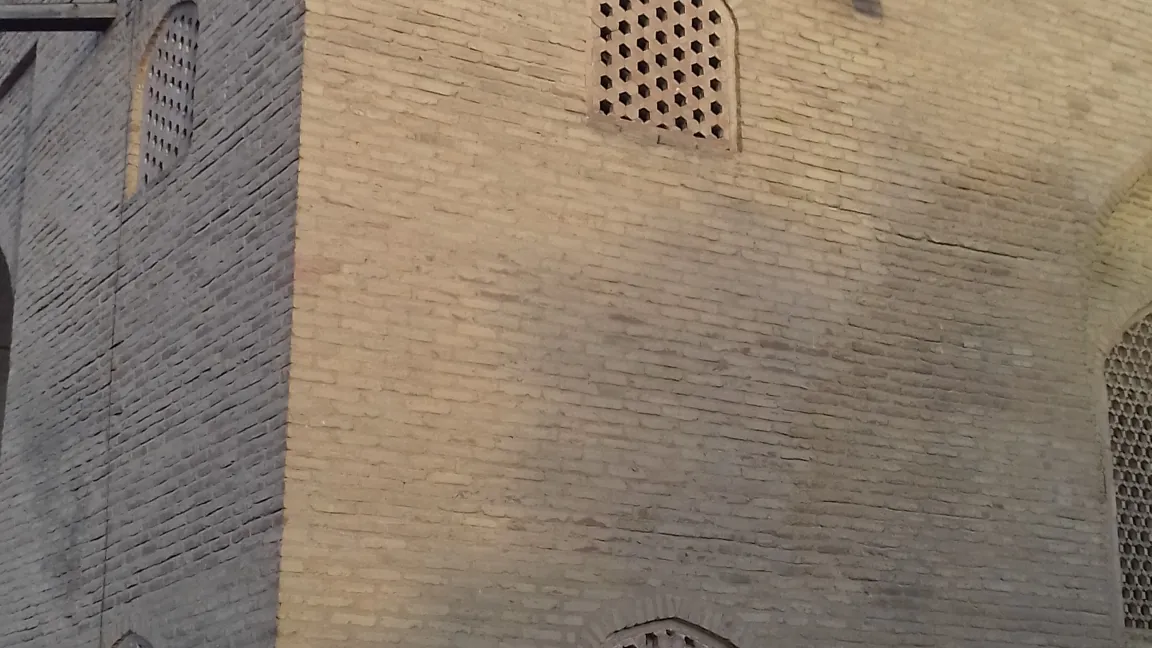
Its cruciform interior and painted, gilded decoration reward close attention. The exterior is comparatively restrained, making the transition inside especially striking.
Later history and interpretation
The monument is near Gur-e-Amir but should not be collapsed into the same route stop: it is a distinct building with a separate entrance and quieter visitor experience.
Why it matters
Visit Aksaray Mausoleum to understand a distinct layer of Samarkand’s history and visitor landscape.
Highlights
- Origins and context
- Architecture and meaning
- Later history and interpretation
Gallery
Practical notes
Dress respectfully and keep voices low in active sacred spaces. Check current access locally; religious use takes priority.
Suggested visit: 25 min.
Add this place to your Uzbekistan journey.
Save the places that interest you, arrange the order, then request transport directly in WhatsApp.