
The story
Origins and context
Afrasiab preserves the site of ancient Samarkand, associated with Maracanda in classical sources and with the Sogdian urban world. Settlement began long before the Islamic period; UNESCO describes the archaeological city as founded in the seventh century BCE.
Architecture and meaning
Excavations uncovered fortifications, residential and craft quarters, a large early Islamic mosque and a seventh-century palace with celebrated wall paintings showing embassies and courtly scenes. Interpretations continue to develop with research.
Later history and interpretation
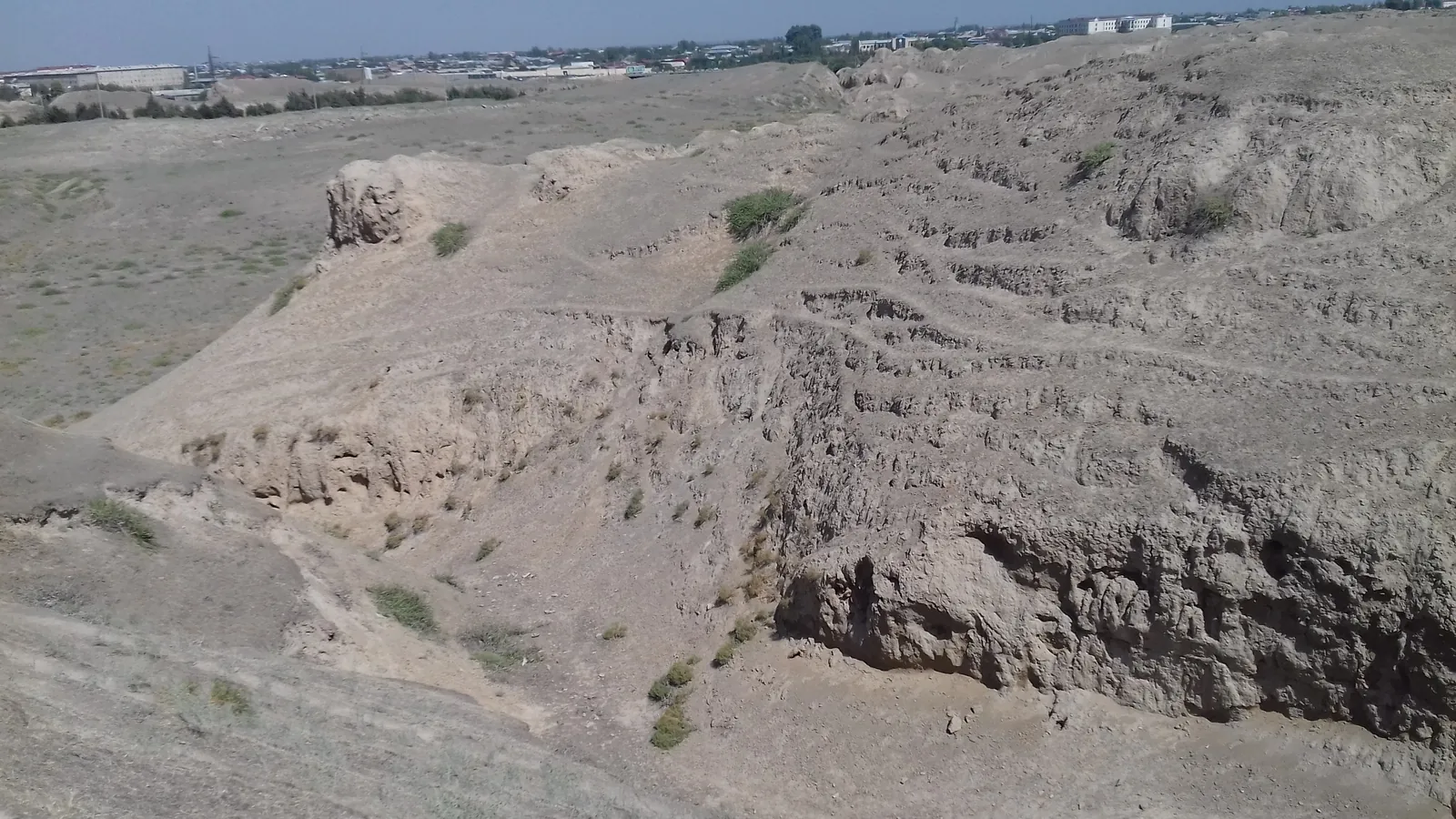
The city was devastated during the Mongol conquest in the early thirteenth century and Samarkand’s main urban focus shifted south. Earth mounds now preserve a complex city rather than an empty landscape.
What to notice
Visit the museum first or afterwards to connect finds with the terrain. Do not climb fragile excavation edges or expect monumental standing walls across the whole reserve.
Why it matters
Visit Afrasiab Archaeological Site to understand a distinct layer of Samarkand’s history and visitor landscape.
Highlights
- Origins and context
- Architecture and meaning
- Later history and interpretation
Gallery
Practical notes
Check current opening and access information locally.
Suggested visit: 90 min.
Add this place to your Uzbekistan journey.
Save the places that interest you, arrange the order, then request transport directly in WhatsApp.