
The story
Historical context
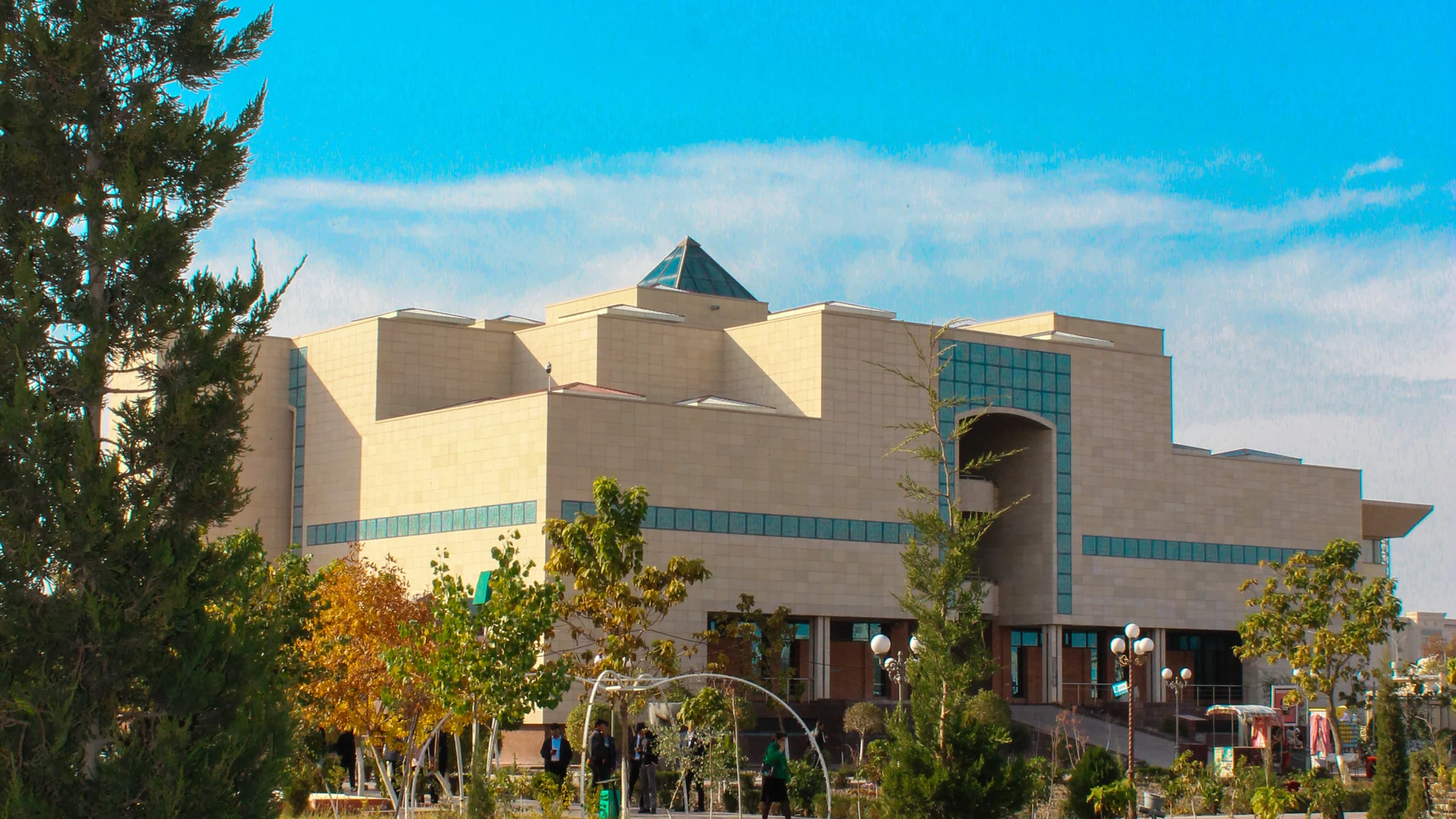
The museum was founded in 1966, with Igor Savitsky as its founding director. His earlier archaeological and ethnographic work in Karakalpakstan shaped a collection that places local material culture beside modern art rather than treating either as a footnote.
Archaeology and material evidence
Savitsky collected Karakalpak jewellery, textiles, costume and applied arts as well as archaeological material. He also assembled works by twentieth-century artists whose careers and reputations were affected by Soviet cultural policy. The result is broader than the popular label “avant-garde museum.”
Interpretation and uncertainty
Nukus became important to this story because collecting, documentation and museum work were rooted here. Claims such as “the world’s second-largest collection” vary by category and source; the museum’s significance does not need an unqualified ranking.
Visiting responsibly
Displays, rooms and photography rules can change. Allow time for both Karakalpak collections and modern art, and check the museum’s current official visitor information.
Why it matters
Visit I. V. Savitsky State Museum of Arts to understand a distinct part of Karakalpakstan’s cultural or environmental landscape.
Highlights
- Historical context
- Archaeology and material evidence
- Interpretation and uncertainty
Gallery
Practical notes
Allow at least two hours rather than visiting only the famous modern-art rooms. Confirm opening hours and photography rules through the museum.
Suggested visit: 150 min.
Add this place to your Uzbekistan journey.
Save the places that interest you, arrange the order, then request transport directly in WhatsApp.