
The story
Origins and historical context
The tower was completed in the 1980s as communications infrastructure.
Architecture, collections or landscape
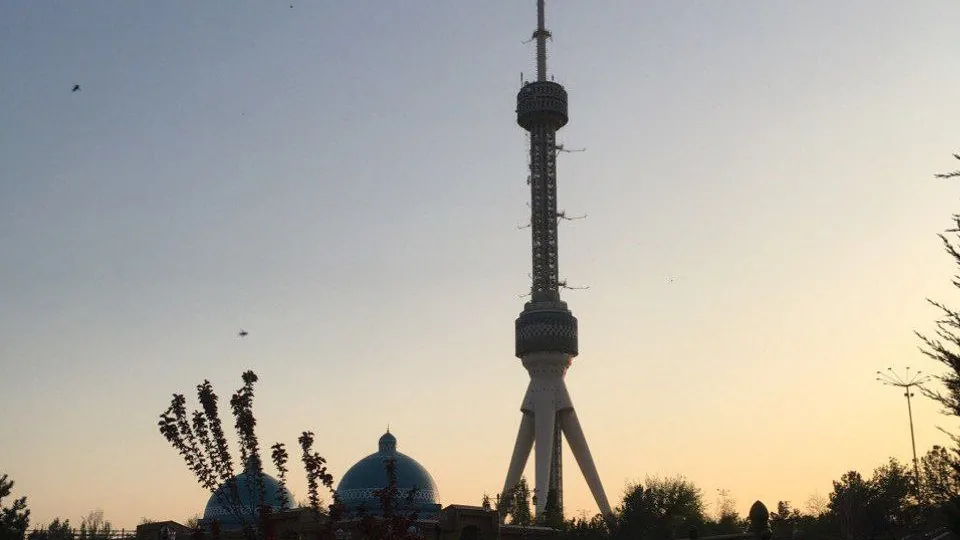
Its tripod base and tapering lattice are a notable example of late-Soviet structural expression.
How to experience it
Observation access and security rules change; confirm current arrangements rather than assuming entry.
Why it matters today
The tower combines communications infrastructure with an expressive late-Soviet structure and remains a defining element of Tashkent’s northern skyline. Its present meaning comes from both the original design and the later history of a capital that has repeatedly rebuilt and reinterpreted its public spaces.
Why it matters
The tower combines communications infrastructure with an expressive late-Soviet structure and remains a defining element of Tashkent’s northern skyline.
Highlights
- Origins and historical context
- Architecture, collections or landscape
- How to experience it
Gallery
Practical notes
Allow enough time for the site and surrounding district. Confirm current access locally rather than relying on old schedules.
Suggested visit: 50 min.
Add this place to your Uzbekistan journey.
Save the places that interest you, arrange the order, then request transport directly in WhatsApp.