
The story
Origins and historical context
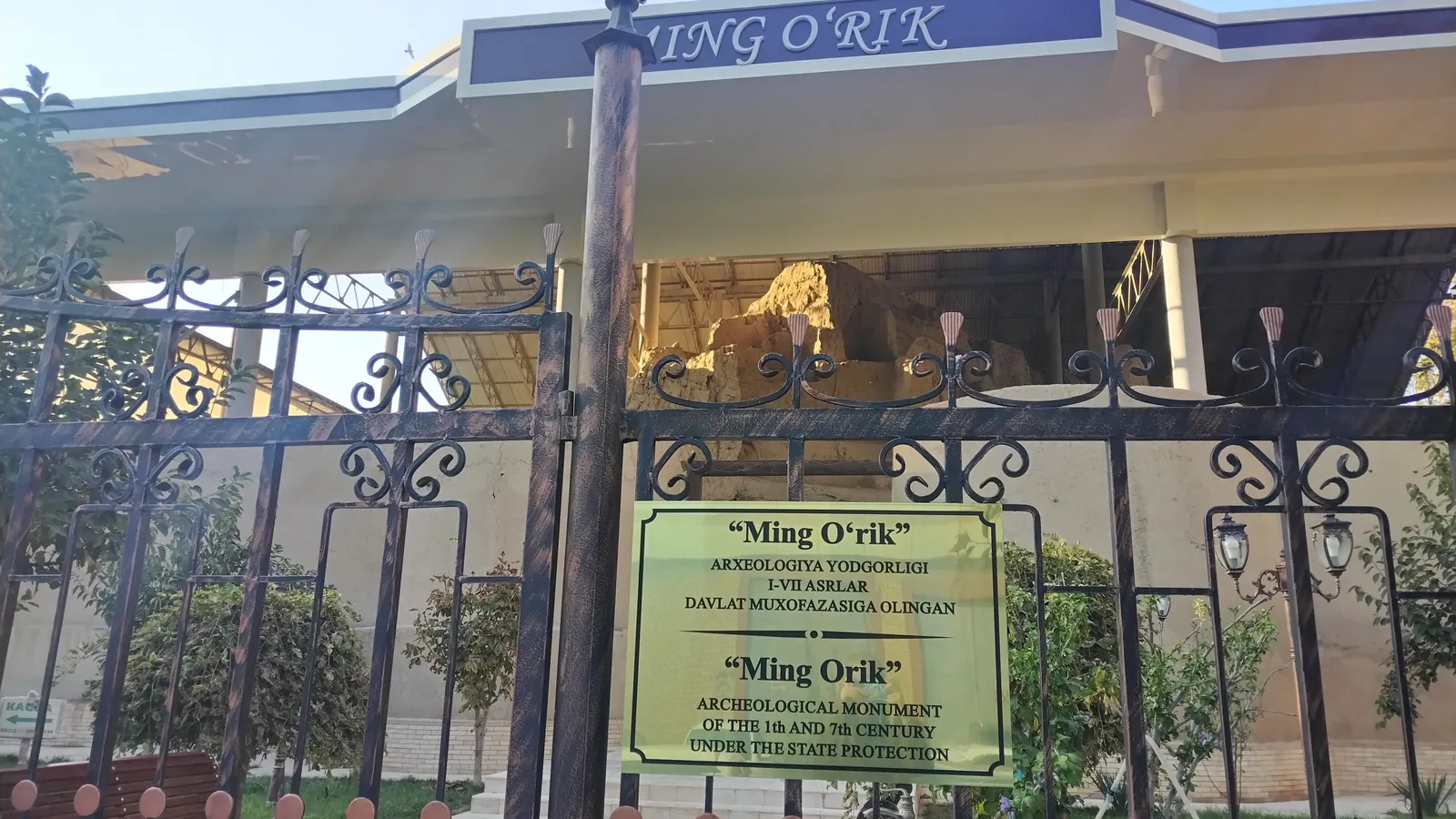
Ming Orik preserves archaeological evidence beneath the modern city and is associated with early urban development in the Tashkent oasis.
Architecture, collections or landscape
Excavations identified monumental and settlement remains from the first millennium CE, though interpretations have evolved.
How to experience it
The site counters the idea that Tashkent begins with imperial or Soviet planning; access can be limited.
Why it matters today
Ming Orik makes the ancient city beneath modern Tashkent visible and challenges the idea that the capital’s history began with Russian or Soviet planning. Visible remains are evidence rather than a complete reconstruction, so interpretation should distinguish excavated fact from later identification or tradition.
Why it matters
Ming Orik makes the ancient city beneath modern Tashkent visible and challenges the idea that the capital’s history began with Russian or Soviet planning.
Highlights
- Origins and historical context
- Architecture, collections or landscape
- How to experience it
Gallery
Practical notes
Allow enough time for the site and surrounding district. Confirm current access locally rather than relying on old schedules.
Suggested visit: 35 min.
Add this place to your Uzbekistan journey.
Save the places that interest you, arrange the order, then request transport directly in WhatsApp.