
The story
Origins and historical context
The area developed as an administrative centre under the Russian Empire and was substantially reshaped during the Soviet period.
Architecture, collections or landscape
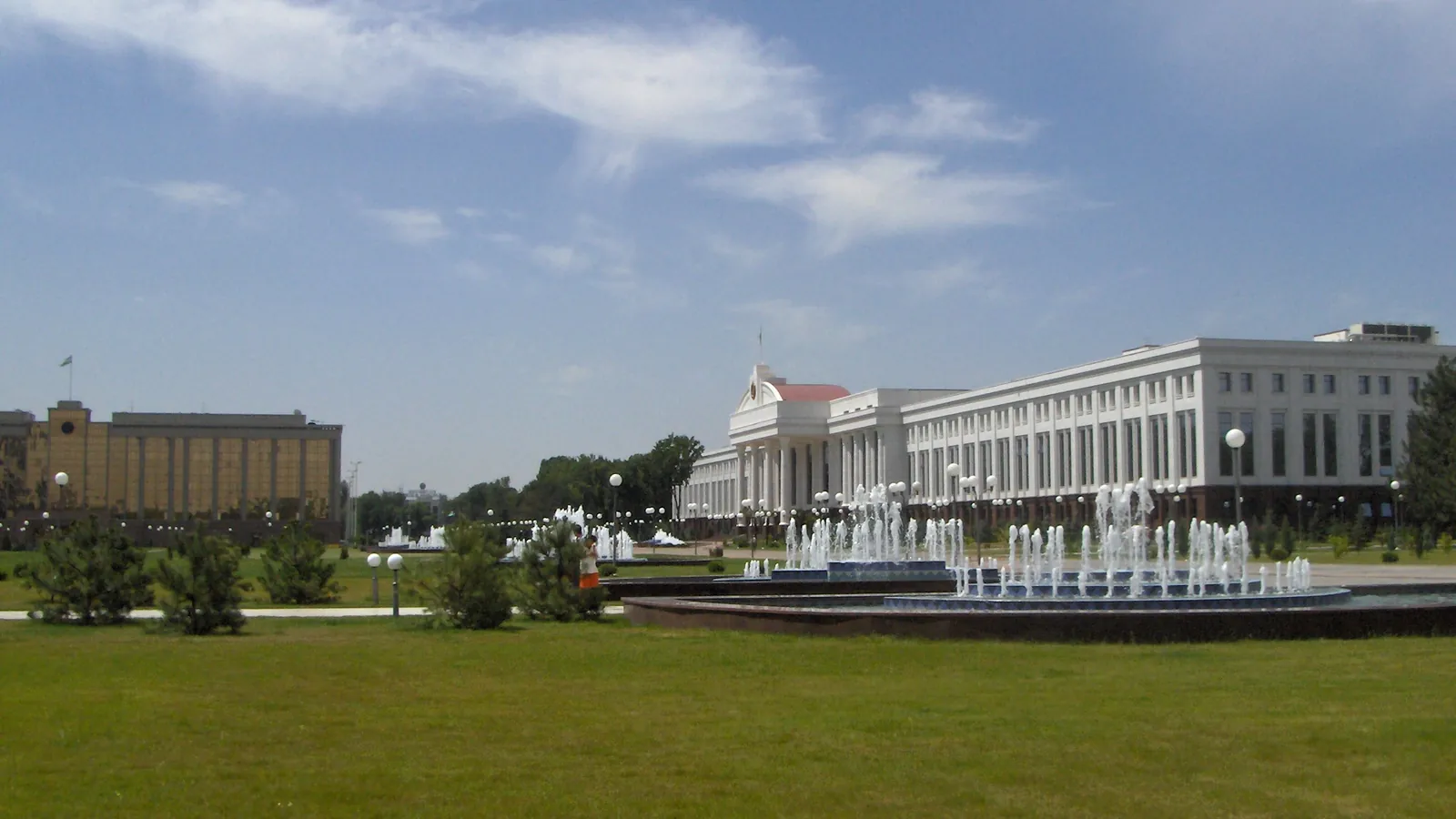
After independence it received new state symbols, memorial spaces and landscaping. Access can change around official events.
How to experience it
Explore it as a broad civic landscape linking public memory and government architecture.
Why it matters today
The square makes successive systems of state power visible through planning, monuments and controlled public space, from the imperial and Soviet periods to independent Uzbekistan. Its significance comes from the relationship between the surviving place, its setting and the people who continue to use or interpret it.
Why it matters
The square makes successive systems of state power visible through planning, monuments and controlled public space, from the imperial and Soviet periods to independent Uzbekistan.
Highlights
- Origins and historical context
- Architecture, collections or landscape
- How to experience it
Gallery
Practical notes
Allow enough time for the site and surrounding district. Confirm current access locally rather than relying on old schedules.
Suggested visit: 45 min.
Add this place to your Uzbekistan journey.
Save the places that interest you, arrange the order, then request transport directly in WhatsApp.